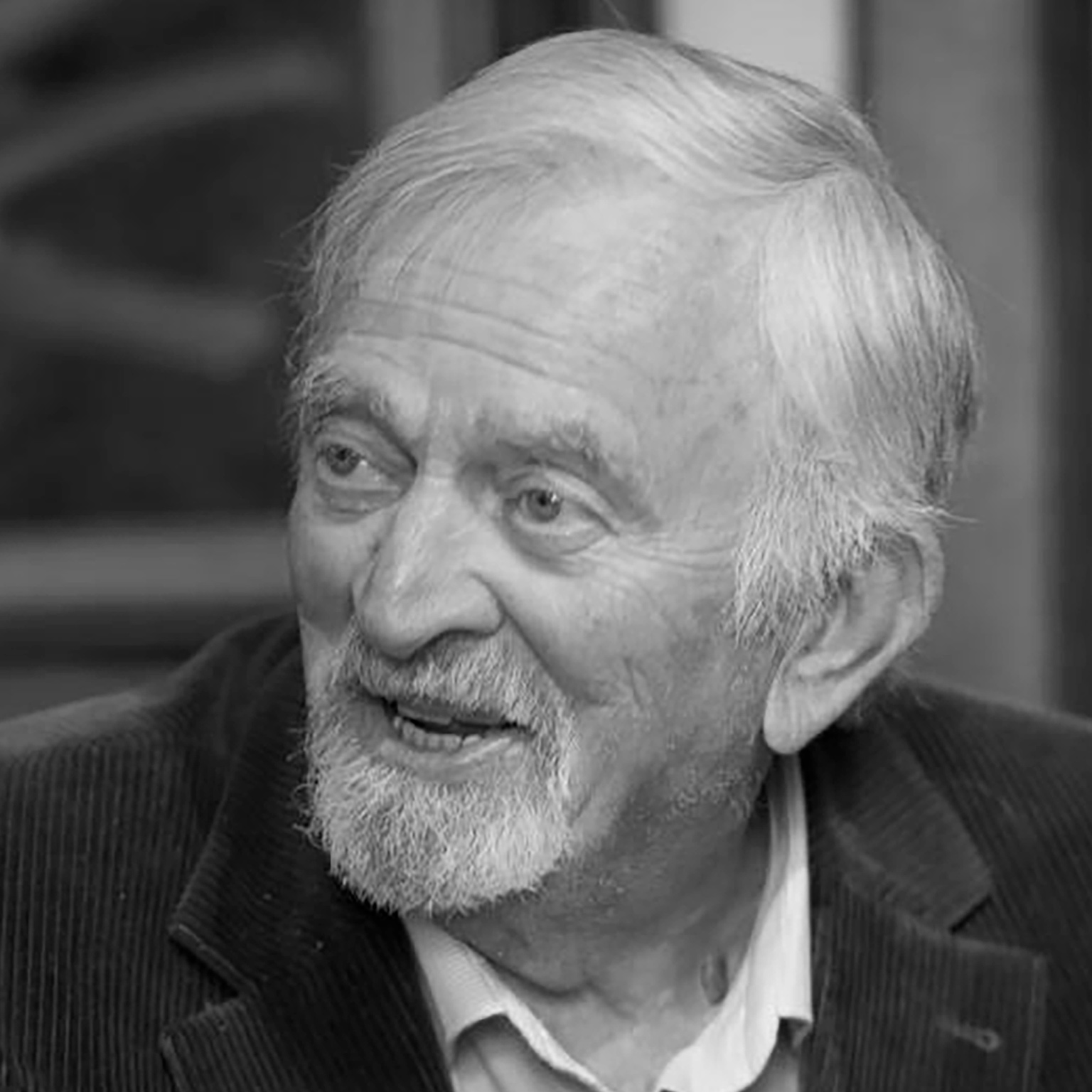
Milo Dardenne was born in Houyet in 1938. With little interest in formal studies, he left his family at eighteen to make a living from his art in Paris: singing and drawing. By day, he sketched portraits of passers-by; in the evenings, he brought small Parisian bistros to life with his guitar. He competed at the Obourg festival alongside Frédéric François and took second place.
Six months later, he returned to his native Ardennes and accepted a post as an educator in Neufchâteau. With a steady income, he could finally devote himself to his passion: painting. His disdain for the bourgeoisie informs the same themes that run through his songs: resistance to injustice, fraternity, and a celebration of calm and silence. He paints the ordinary people of the Ardennes just as he once sang about them.
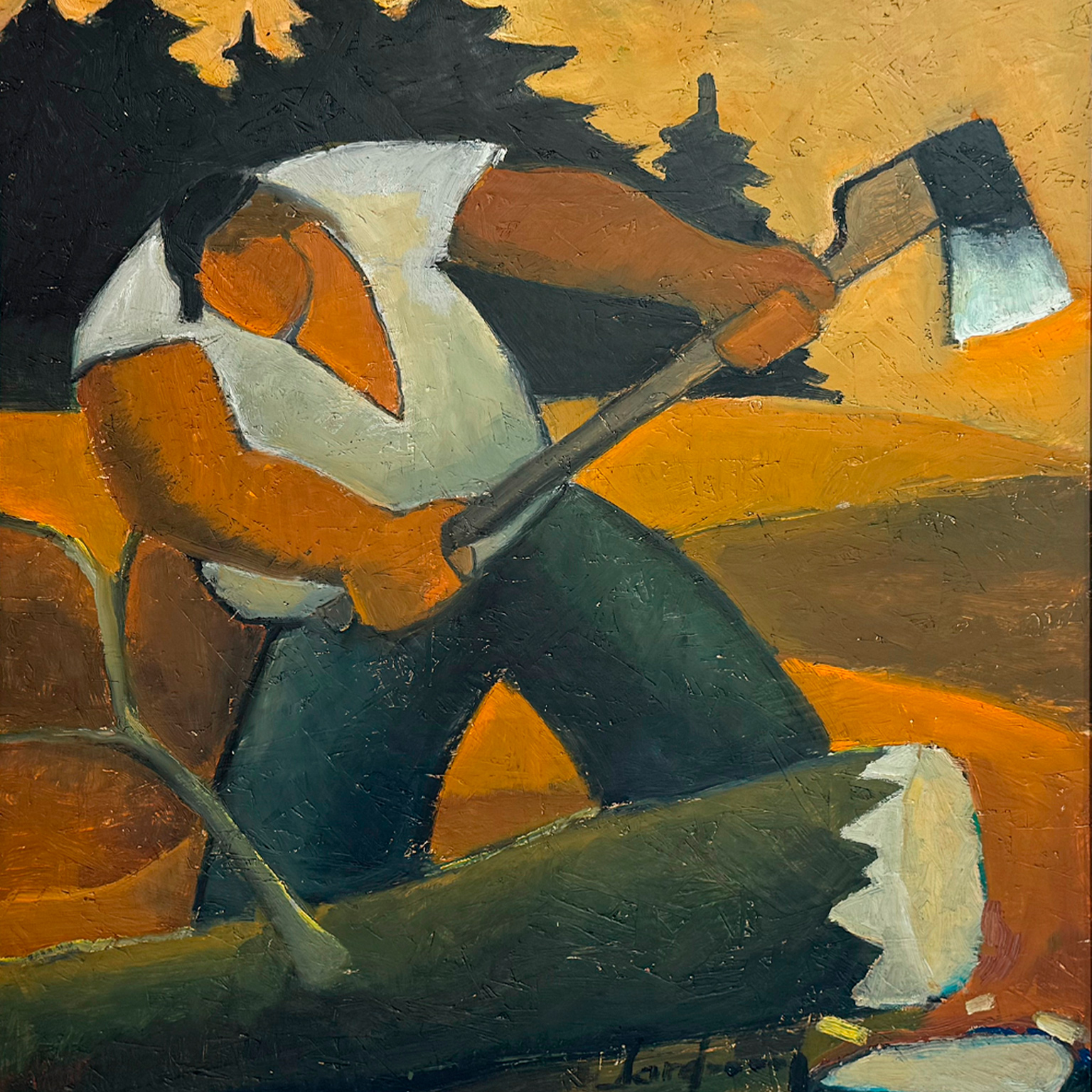
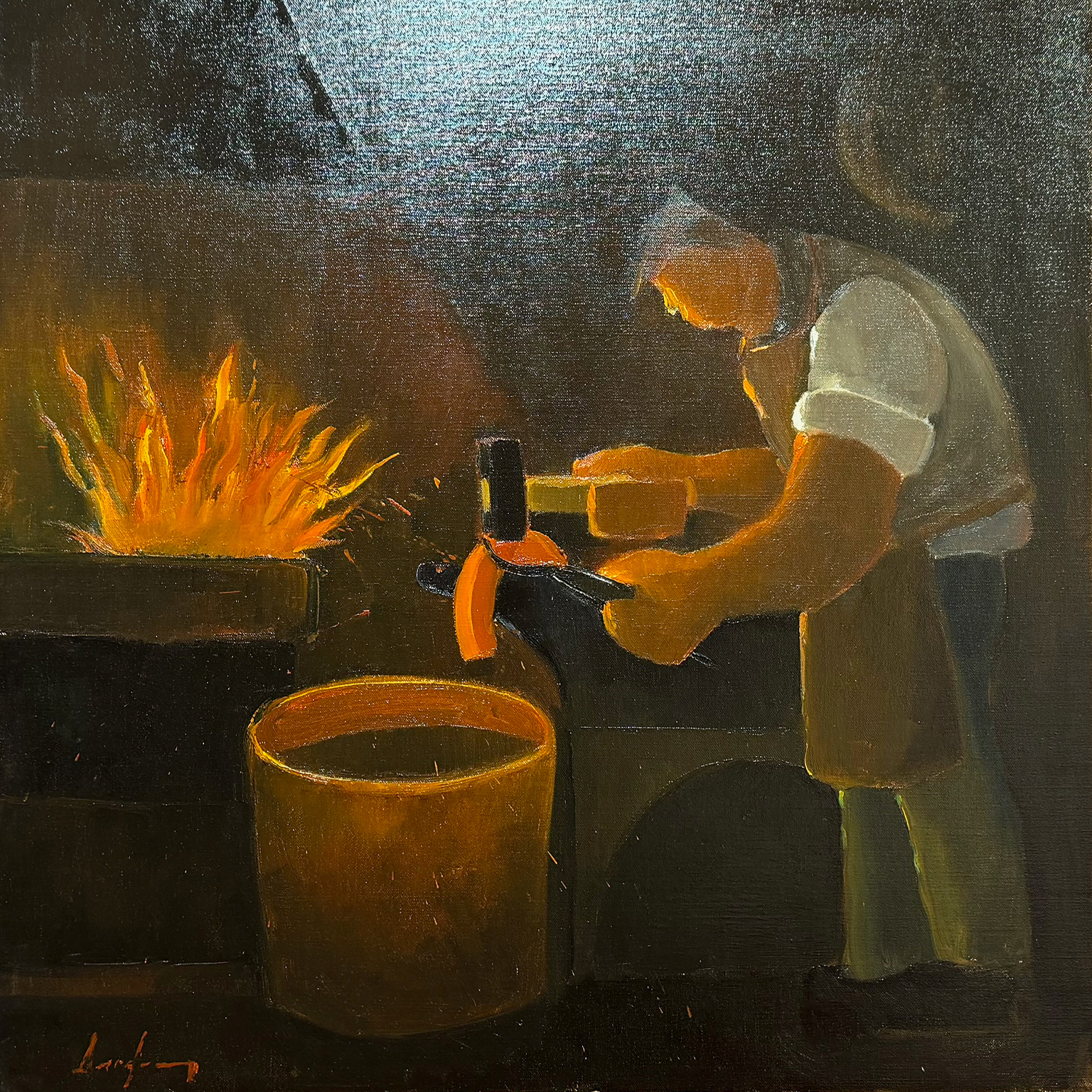
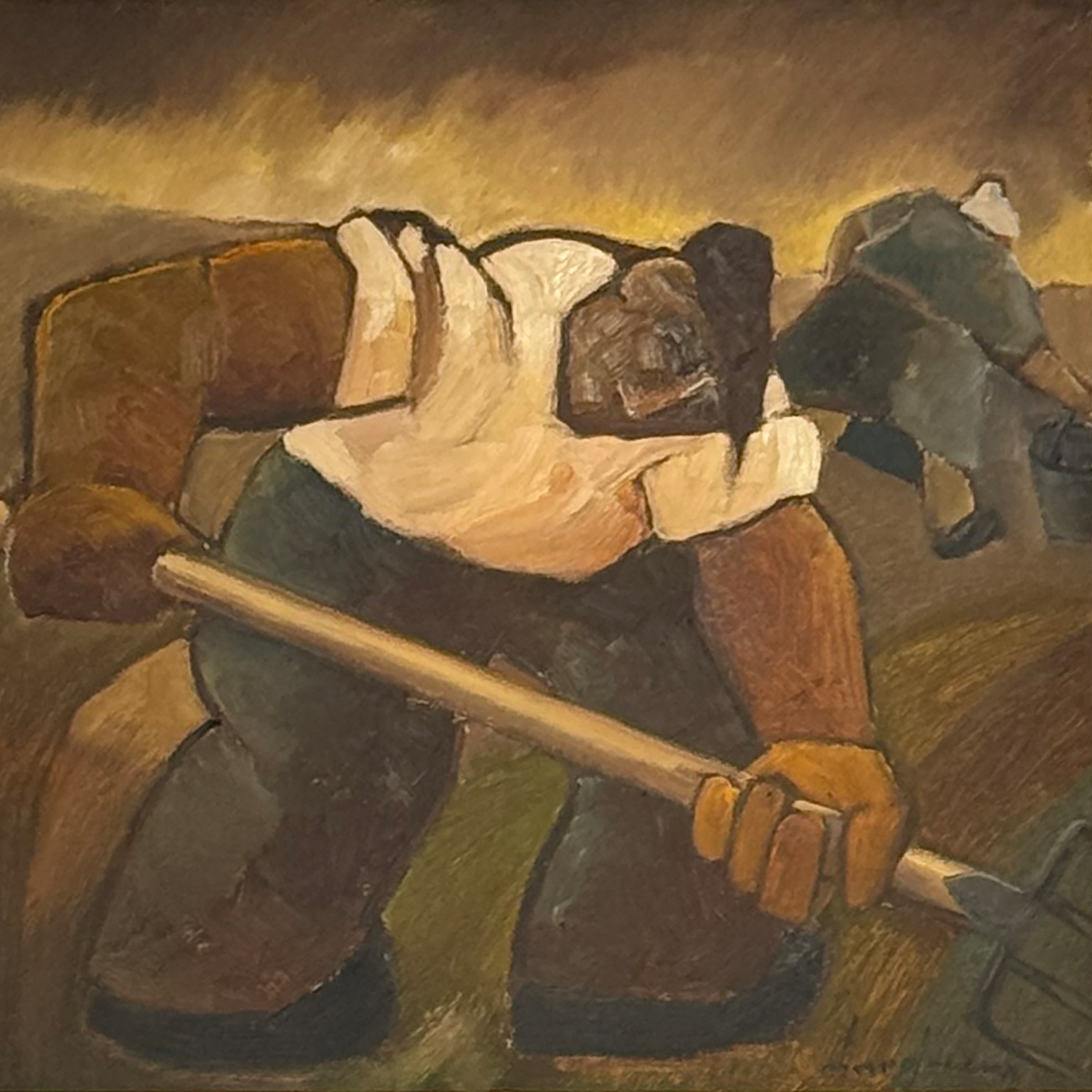
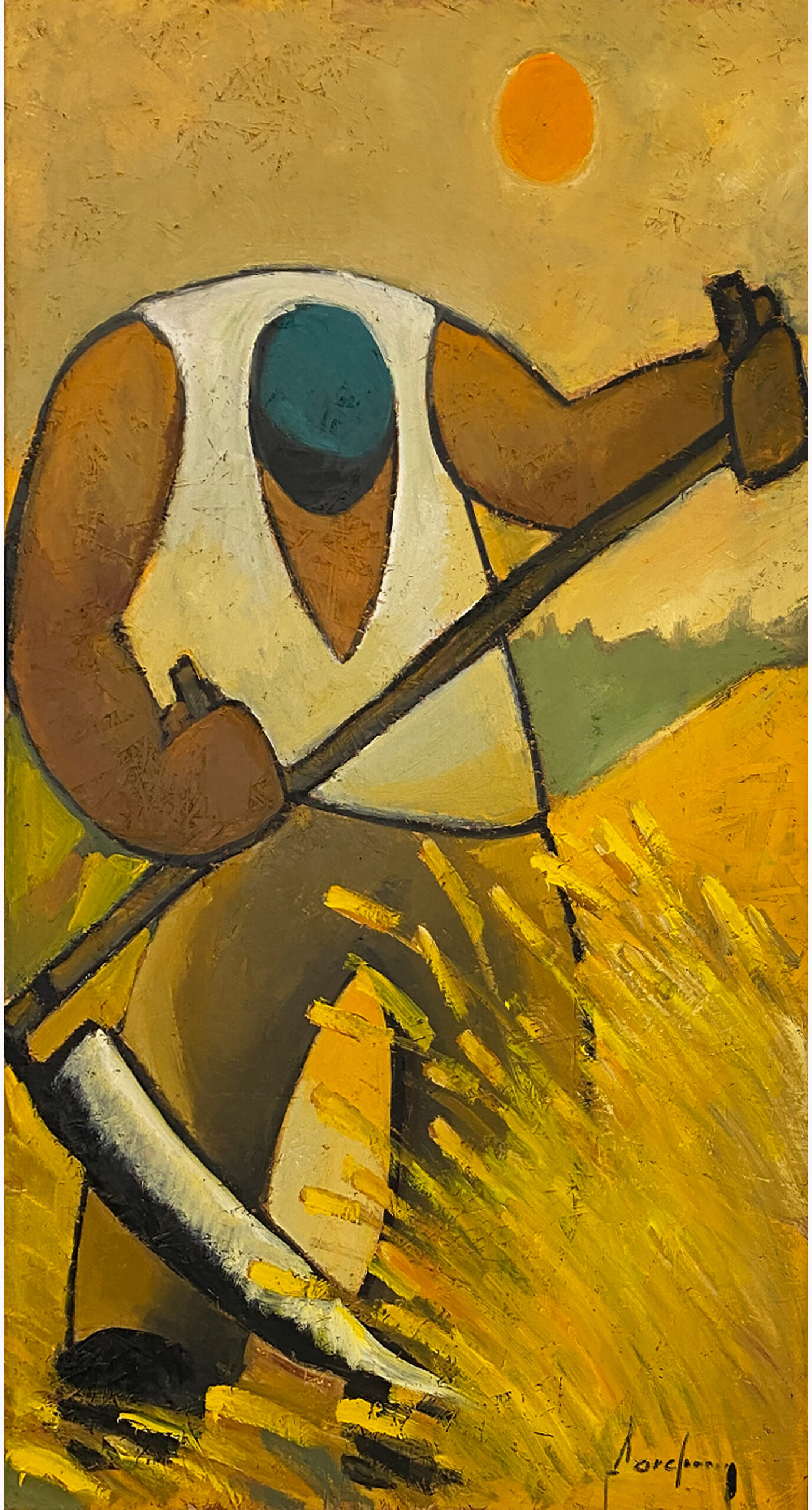
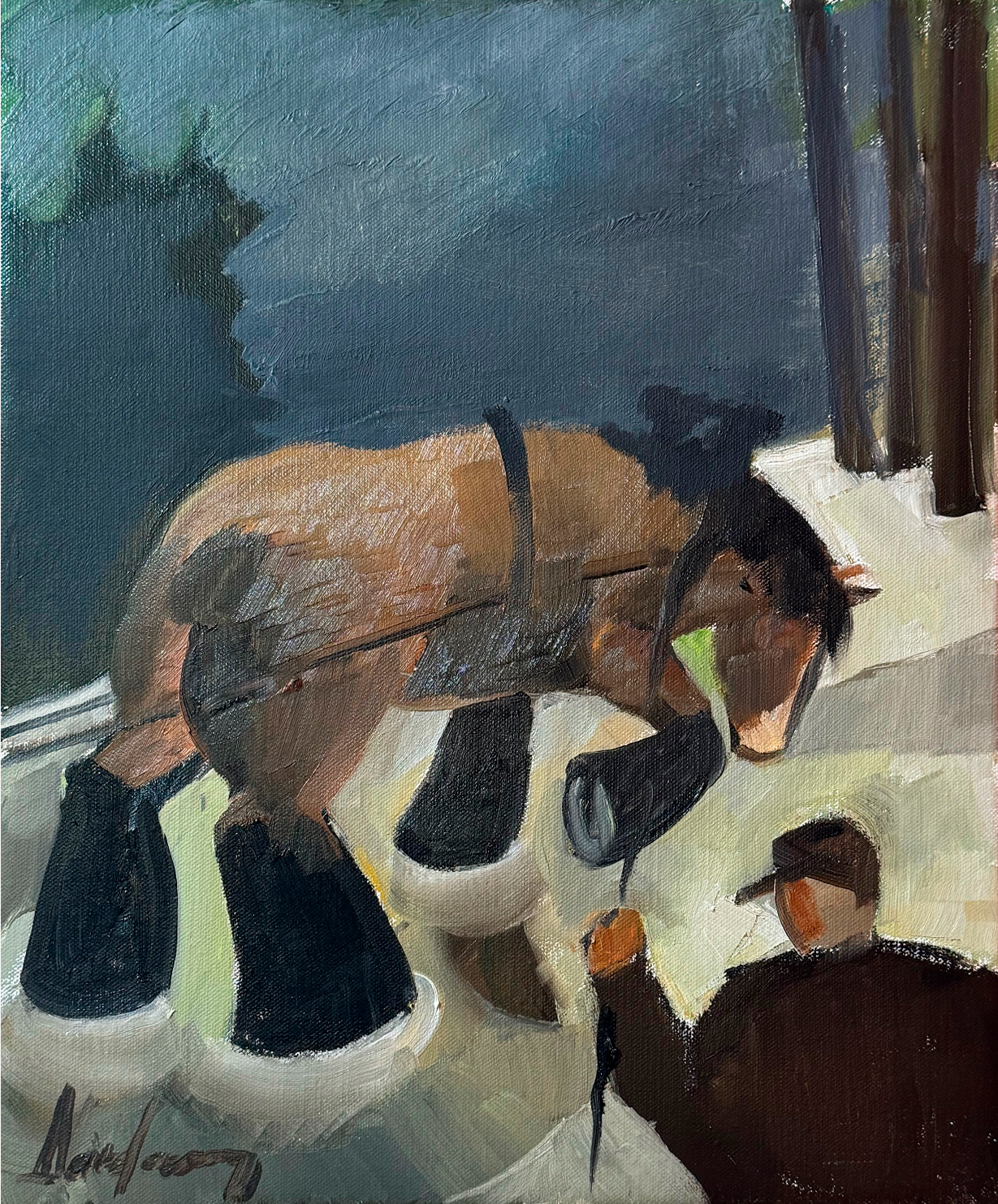
Milo Dardenne paints the rural Ardennes he loves. Forests, hunting and wildlife hold a special place in his world, and the people of the Ardennes of days gone by are among his favourite subjects. Exaggerated proportions lend force to his paintings and to the action within each scene. Thick layers of paint, applied in broad brushstrokes, give his subjects a tangible sense of substance and life.
Influenced by Constant Permeke and Albert Raty, the artist naturally favours simple forms stripped of unnecessary detail, focusing on what matters most to him: the action.